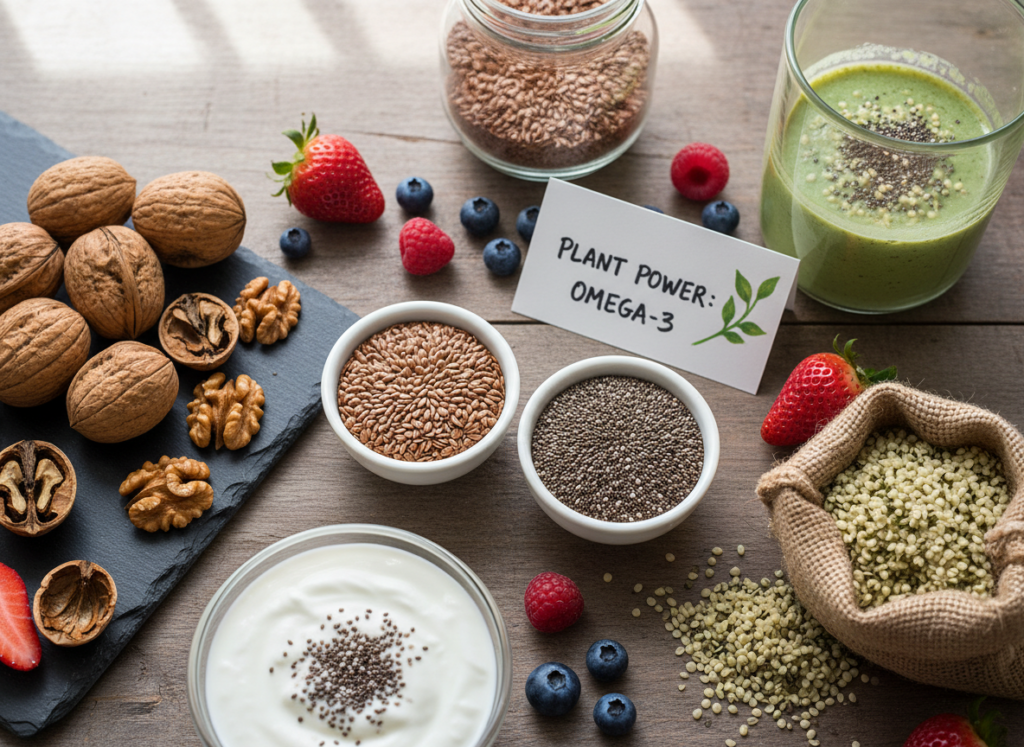
Omega-3 fatty acids are essential nutrients that play a vital role in heart health, brain function, and overall well-being. Because the body cannot produce omega-3s on its own, they must be obtained through diet. While fish and seafood are well-known sources, there are many plant-based options that provide these important fats, making it possible for vegetarians and vegans to meet their needs.
The primary type of omega-3 found in plant foods is alpha-linolenic acid (ALA). The body can convert ALA into the active forms, EPA and DHA, though the conversion rate is limited. Nevertheless, consuming adequate ALA supports cardiovascular health and helps reduce inflammation.
Flaxseeds are one of the richest plant sources of omega-3. Ground flaxseeds can be added to smoothies, oatmeal, yogurt, or baked goods. Chia seeds are another excellent source and can be sprinkled over salads, cereals, or soaked to make chia pudding. Hemp seeds also provide ALA along with protein and essential minerals.
Walnuts are the best nut-based source of omega-3 fatty acids. They make a convenient snack and can be added to salads or breakfast dishes. Plant oils such as flaxseed oil, canola oil, and walnut oil are also good sources and can be used in salad dressings or low-heat cooking.
Leafy green vegetables like spinach and kale contain small amounts of ALA, contributing to overall intake when eaten regularly. Additionally, algae-based supplements provide a direct plant source of DHA and EPA, making them especially beneficial for those following strict plant-based diets.
Including a variety of these foods daily can help ensure sufficient omega-3 intake and support long-term health naturally.