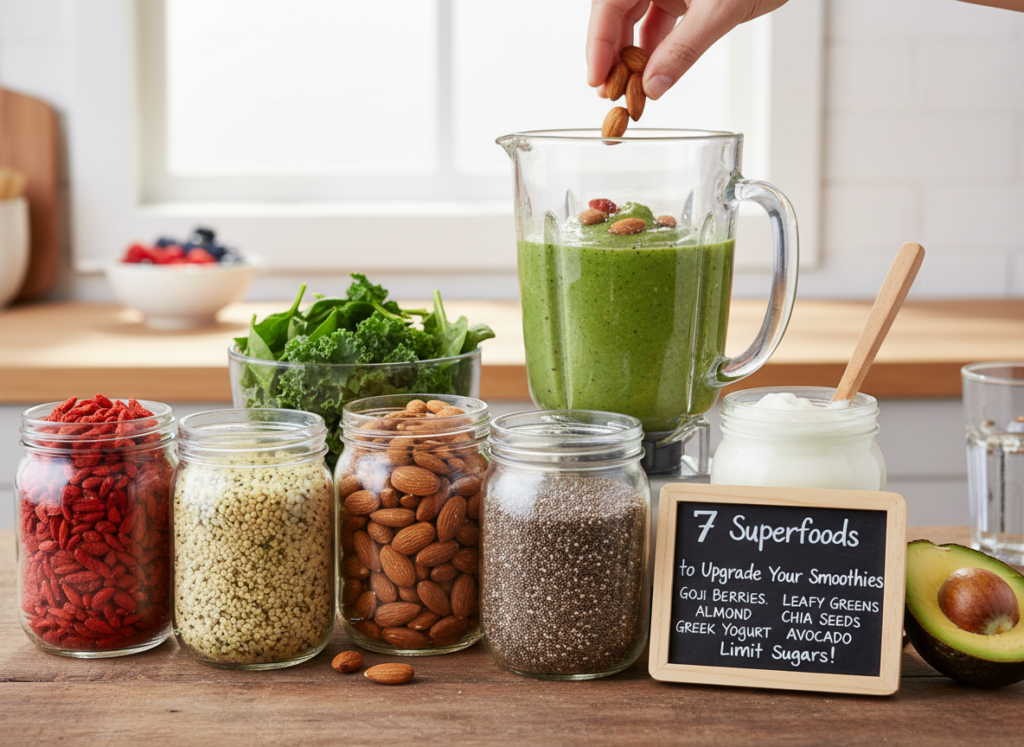
Smoothies are a quick, delicious way to boost your daily nutrition — but not all smoothies are created equal. If you’ve ever finished a smoothie and felt hungry again an hour later, the reason often lies in imbalanced macronutrients. To make a smoothie that genuinely satisfies hunger, supports energy, and contributes to overall wellbeing, it’s crucial to balance three key components: protein, fiber, and healthy fats.
Why balance matters
Protein, fiber, and healthy fats each play unique roles in how your body digests food and regulates energy. Protein slows digestion and keeps you feeling full longer, while also aiding in muscle repair and metabolic function. Common smoothie protein sources include Greek yogurt, milk or plant-based milk, nut butters, or protein powders. Fiber — found in whole fruits, vegetables, oats, chia seeds, and flaxseeds — adds bulk, supports digestive health, and helps prevent rapid spikes and crashes in blood sugar. Healthy fats from ingredients like avocado, chia seeds, nuts, and seeds further slow digestion and help your body absorb fat-soluble vitamins.
The pitfall of “empty” smoothies
Many smoothies rely heavily on fruit or fruit juice. While fruit provides vitamins, minerals, and antioxidants, too much fruit sugar without balancing ingredients can lead to quick digestion and energy crashes. Balancing fruit with vegetables such as spinach or kale not only increases fiber but also lowers the overall sugar load, creating a more sustained energy profile.
How to build a balanced smoothie
Experts recommend aiming for a structure similar to a balanced meal:
- Protein: ~20 g from Greek yogurt, protein powder, or nut butters
- Fiber: ~10 g from fruits, vegetables, oats, or seeds
- Healthy fats: ~10 g from avocado, chia, or flaxseeds
Start with a protein base, add a generous handful of fiber-rich fruits and greens, then include sources of healthy fats for richness and satiety. Keeping added sugars to a minimum — opting for natural sweetness from fruits rather than syrups or juices — further enhances the nutritional quality.
Balanced smoothies aren’t just more filling — they help stabilize blood sugar, support digestion, and provide a steady stream of energy throughout your day. By paying attention to all three macronutrients, you can turn a simple blended drink into a truly nutritious meal or snack that keeps you going longer.